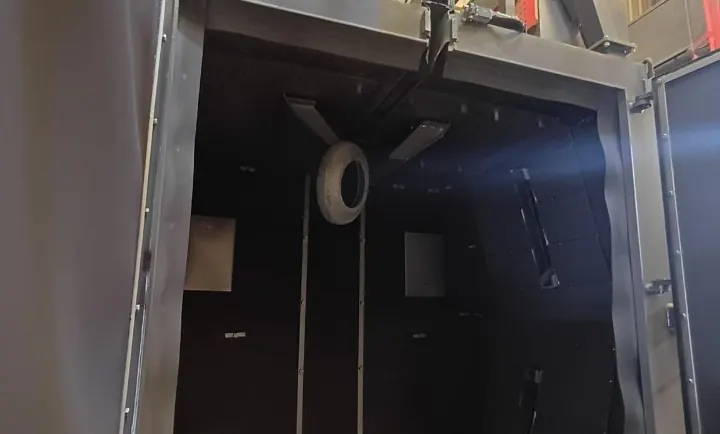
What we do with blasting
Blasting removes rust, old paint, scale and soot by propelling abrasive particles at the surface at high speed. The aim is not only to clean: a blasted surface also gains the profile that paint and coatings need to adhere. Blasting is the step that determines the life of a protective coating.
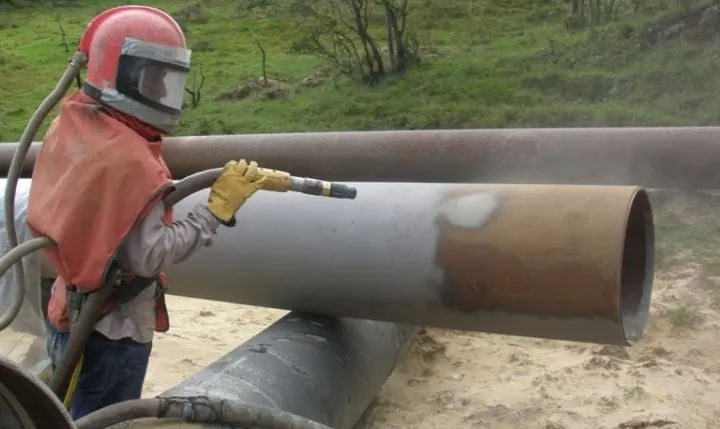
We blast both in our workshop and on site. Parts that can be transported come to the workshop; silos, tanks, pipelines and steel structures that cannot be moved are blasted in place.
Our blasting capabilities
- Cabinet blasting in the workshop: in our hanger-type shot blasting machine, parts are suspended and treated evenly on every surface. Suited to batch parts and complex geometries.
- On-site blasting: in-place blasting of silos, pipelines, tanks, ships and steel structures. We bring equipment and crew to your site.
- Wet blasting: a method that reduces dust and suits sensitive surfaces.
The blasting method is selected according to part geometry, material and the target surface condition.
Applications
- Burners and combustion equipment
- Castings and machine parts
- Flanges and welded structures
- Preparation before painting and coating
- Silos, tanks and pipelines (on site)
- Ships and steel structures (at the yard)
Dry or wet blasting?
Dry (shot) blasting is fast and effective on heavy rust and old paint; in the cabinet, dust is contained. In wet blasting the abrasive is propelled together with water, which reduces dust and gives more control on sensitive surfaces. We decide together once we have seen the part or the site.
Process and safety
Blasting involves dust, noise and high-velocity particles. MYK-certified personnel work on all our jobs and we carry out the work in line with health, safety and environmental legislation.
- Survey: We inspect the part or site and define the surface condition and the target result.
- Quotation: We submit a written quotation that clearly states scope, duration and cost.
- Planning: For workshop jobs we plan the delivery date; for site jobs we plan crew and equipment around your production calendar.
- Execution: On site we cordon off the work area and blast while protecting surrounding equipment.
- Handover: We leave the site clean and hand over the part or surface ready for painting and coating.
What we need for a quotation
- Description, material and approximate dimensions of the part or structure
- Workshop or site; if on site, the location
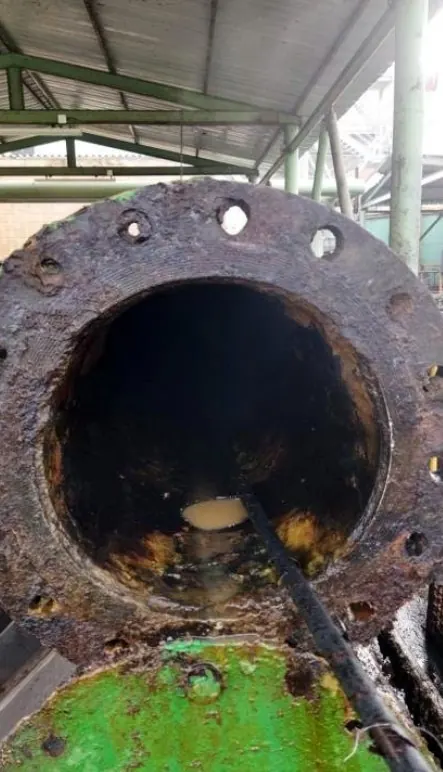
- Current surface condition (rust, old paint, soot) with photographs
- What follows blasting (painting, coating)
- Quantity and target date
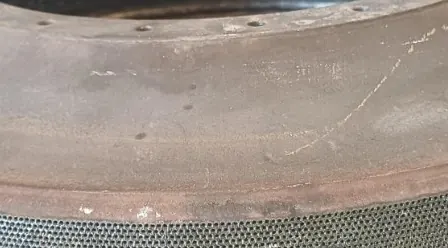
Before / after
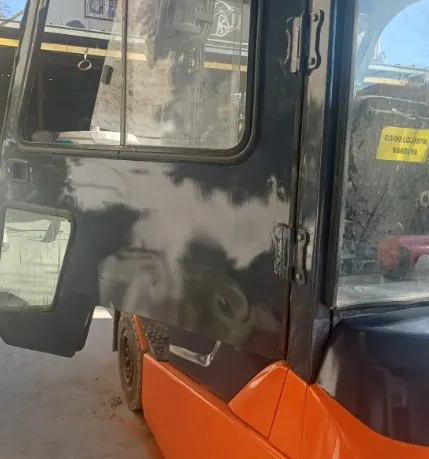
Drag the slider to compare. The photographs show work done by the Başkaya Makina crew.
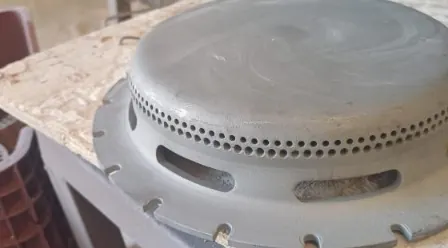
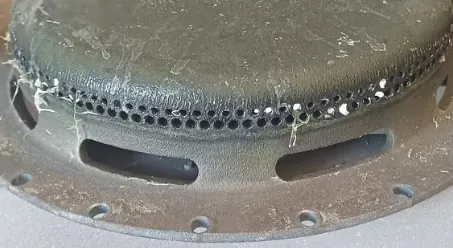 BeforeAfter
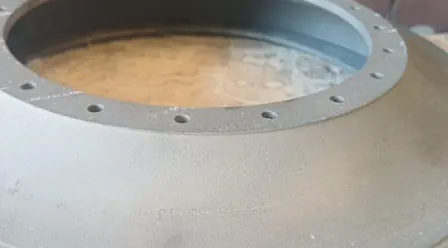
 BeforeAfter
Frequently asked questions
Do you blast on site as well?
Yes. We blast silos, pipelines, tanks, ships and steel structures in place. For transportable parts we have cabinet blasting in our workshop.
What is wet blasting and when is it preferred?
Wet blasting reduces dust and suits sensitive surfaces. It is preferred where dust would affect nearby production and for delicate parts.
Which parts do you blast?
Burners and combustion equipment, castings, machine parts, flanges and welded structures in the workshop; silos, tanks, pipelines, ships and steel structures on site.
Do you also paint after blasting?
Structural steel and tank painting are among our contracting services. We can plan blasting and painting in a single schedule.
How is the right method chosen?
According to part geometry, material and the target surface condition. We make a preliminary assessment from photographs or a sample and visit the site where necessary.