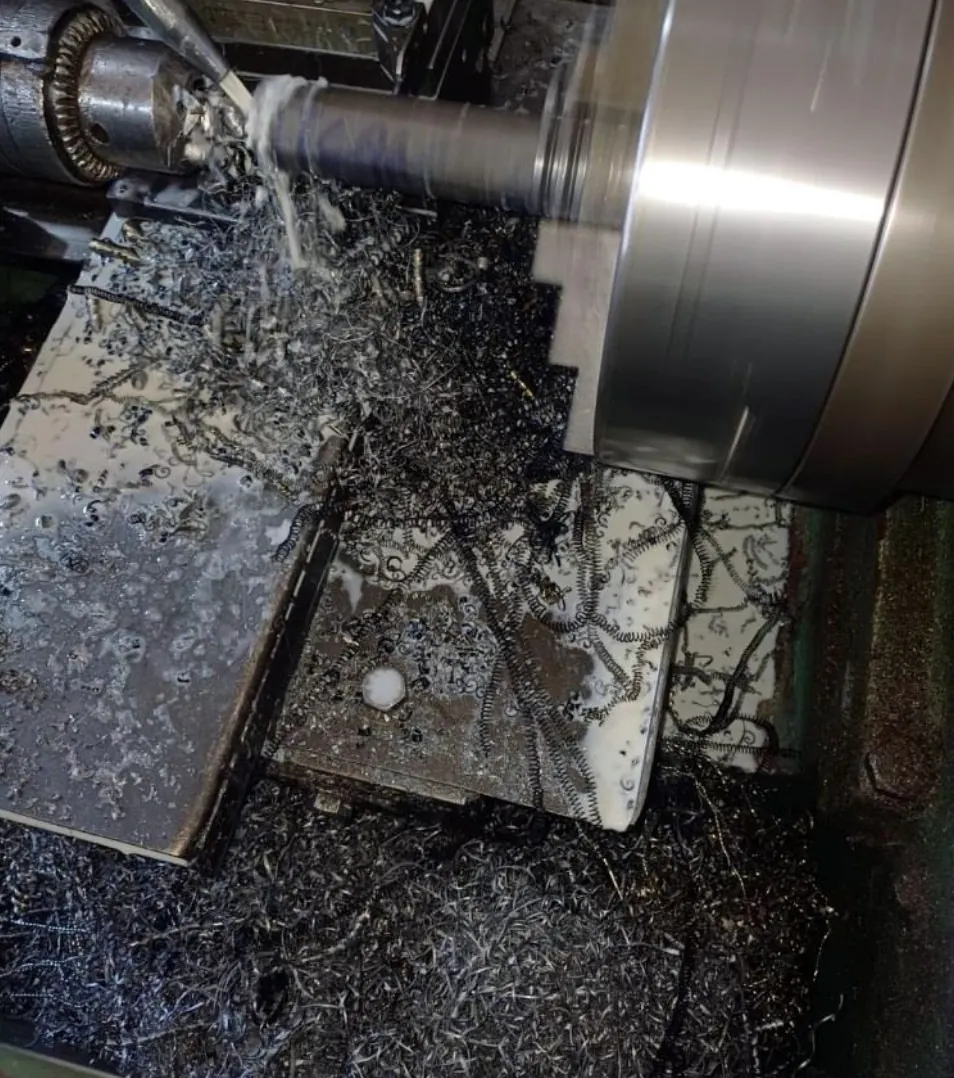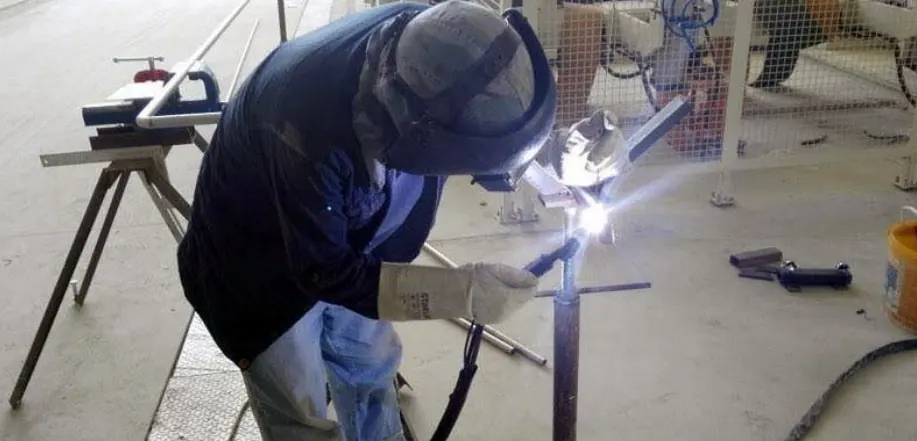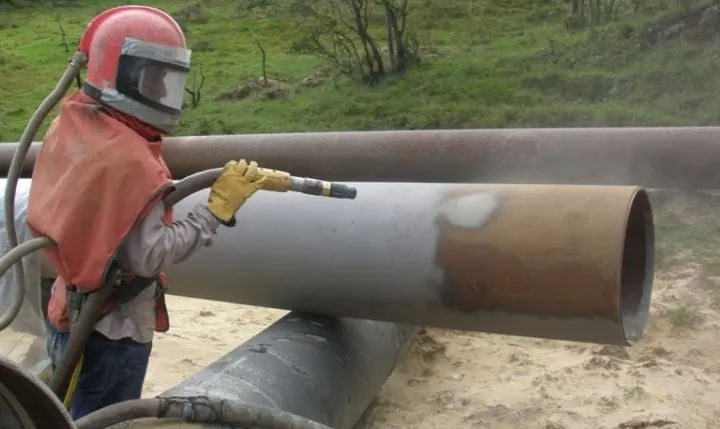
What we do in chassis and frame repair
Forklifts and construction machinery work under heavy load, in tight spaces and often in shifts. Impact, overloading and years of vibration lead to cracks in the chassis, fatigue in load-bearing members and distortion of the cab structure. This is not cosmetic: a forklift with a cracked chassis is not safe under load.
We repair the damaged chassis, load-bearing members and cab structure by welding and reinforce them where necessary. Our work is structural repair; unlike cosmetic work, it addresses the structure that carries the load.
Scope of repair
- Chassis crack and fracture repair
- Reinforcement of load-bearing members and connection points
- Cab and protective frame repair
- Door, hinge and lock repair
- Welded part fabrication and replacement
- Protective paint after repair
How we repair
Not every kind of damage is suitable for repair. We assess suitability on the basis of the damage, the load-bearing structure, the equipment manufacturer's criteria and the necessary technical checks. Welding over the top of a crack is not a lasting solution, so we first establish where the damage starts and ends, open up the damaged area and weld it properly. At connection points where load concentrates we add reinforcement where needed.
Parts too distorted to recover are cut out and replaced with new ones made in our workshop.
Which equipment?
- Forklifts: chassis, rear body, cab pillar, doors and hinges, protective frame.
- Construction machinery: chassis cracks, load-bearing members and connection points.
- Industrial equipment: load-bearing frames, body and cab structures.
Repair or replace?
The engine, hydraulics and drivetrain of equipment with a damaged chassis or cab are usually sound. Structural repair returns it to service at well below the cost of a new unit; technically appropriate repairs can help reduce the need for new equipment and the resources that go with it.
Process
- Survey: We examine the equipment on site or in our workshop and determine the extent of the damage.
- Quotation: We submit a written quotation that clearly states the work to be done, duration and cost.
- Planning: We plan the time the equipment will be out of service around your production calendar.
- Execution: We open up the damaged area, repair it by welding, reinforce where needed and apply protective paint.
- Handover: We return the equipment on time and complete.
What we need for a quotation
- Type of equipment and load capacity
- Photographs of the damaged area from several angles
- How the damage occurred (impact, overload, cracking over time)
- Where the equipment is and whether it can be brought to the workshop
- Target date
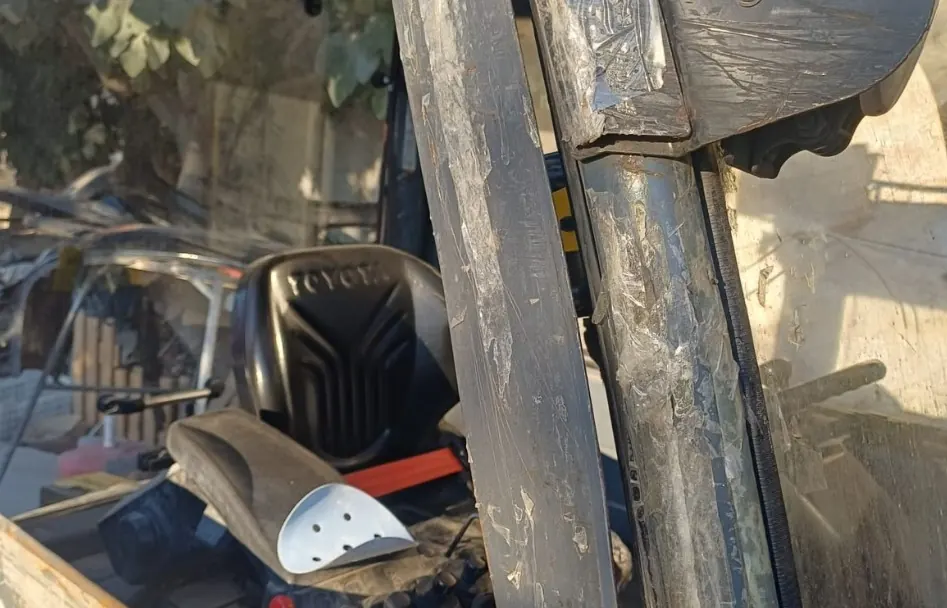
Before / after
The photographs show work done by the Başkaya Makina crew.
 Before
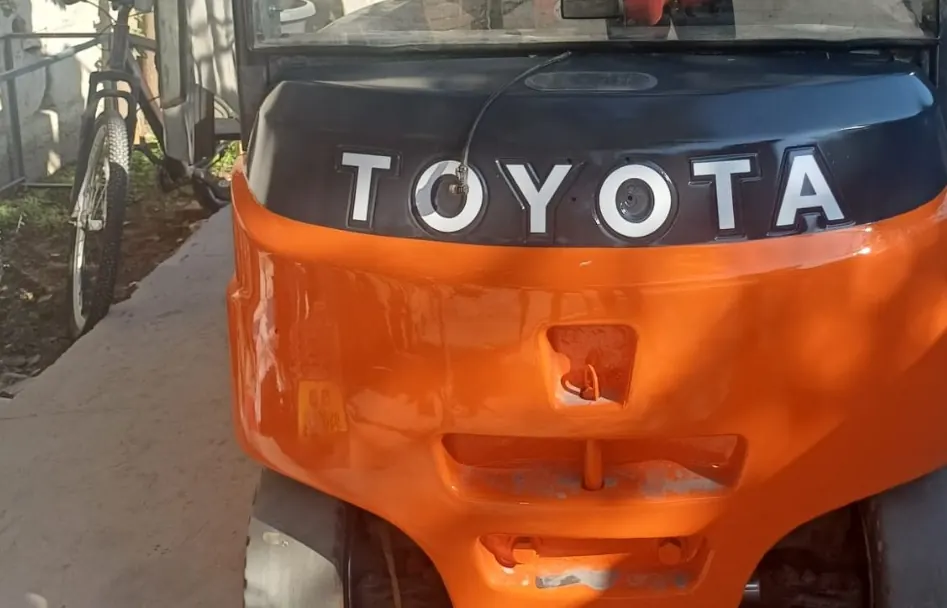 After
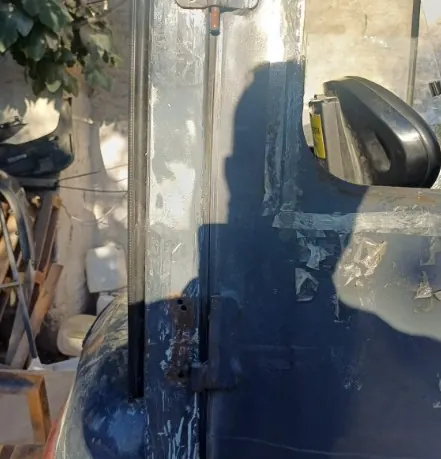 Before
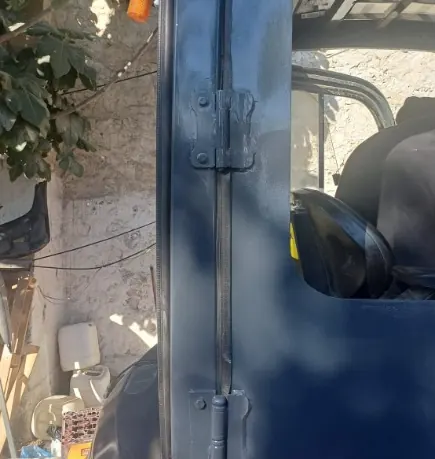 After
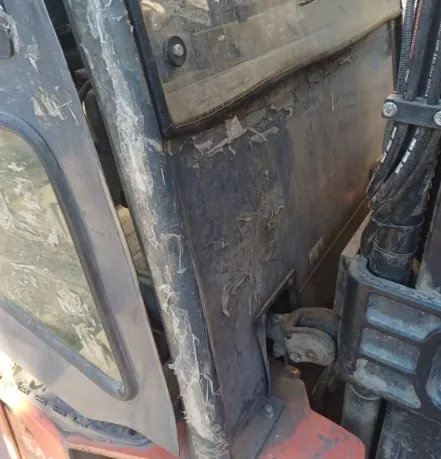 Before
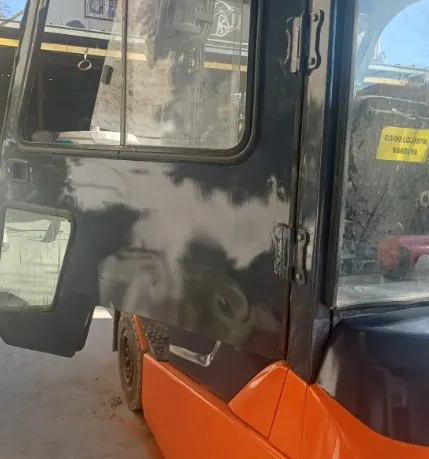 After
Frequently asked questions
Which equipment do you repair?
Chassis, load-bearing members and cab structures of forklifts, construction machinery and industrial equipment.
Can a cracked chassis be repaired by welding?
It depends on the location and extent of the damage. Suitability is assessed on the basis of the damage, the load-bearing structure, the manufacturer's criteria and the necessary technical checks.
Do you repair cabs and protective frames?
Yes, along with doors, hinges and locks.
Is the repair done on site or in the workshop?
We decide according to the extent of damage and whether the equipment can be moved.
Is painting included?
Protective paint is applied to the repaired area to prevent rusting after welding.
Do you make missing or unrecoverable parts?
Yes. We fabricate and replace parts by welding and make items such as hinges, pins and brackets in our own workshop.