What we do with high-pressure water jetting
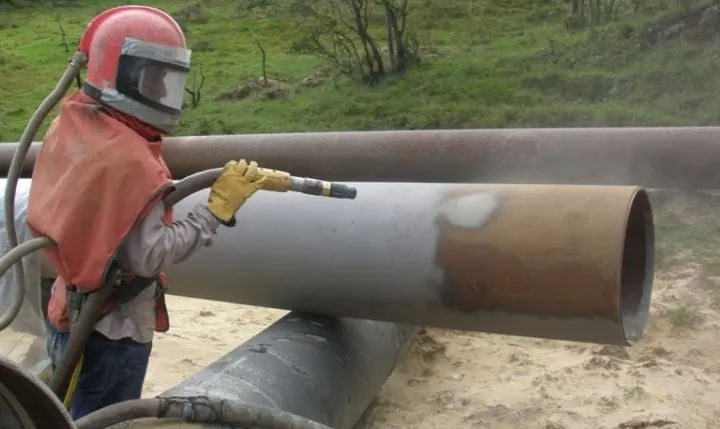
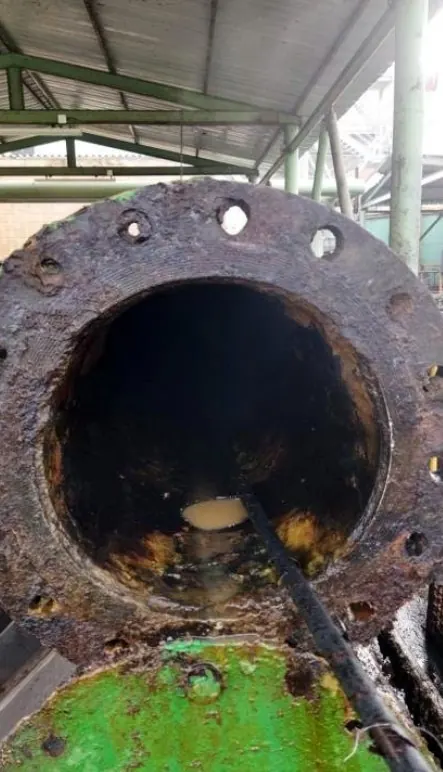
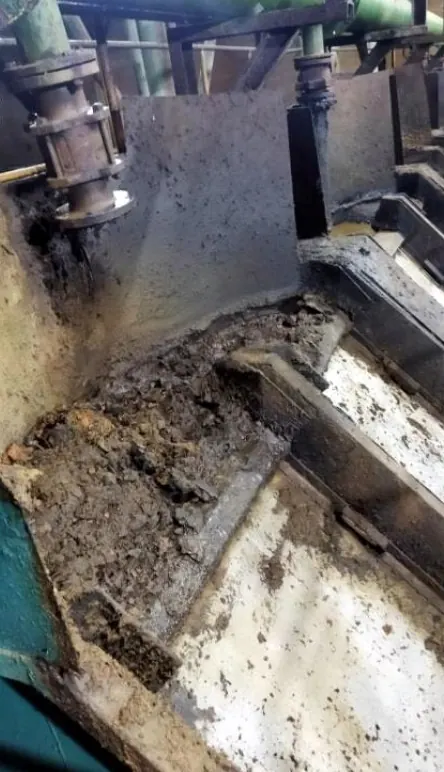
High-pressure water jetting forces water through a narrow nozzle at very high pressure. The jet mechanically removes scale, mill scale, bitumen, soot, old paint and process residue from the surface. Water jetting is a mechanical cleaning method. In areas with a flammable or explosive atmosphere risk, the work is planned only after a site risk assessment, the plant's permit procedures and the selection of suitable equipment.
We do not work with a single machine but with several water jetting machines of different capacities from 500 to 3,000 bar. This lets us work at low pressure on a delicate heat exchanger plate and at high pressure on hardened deposits or paint removal. Where needed we design equipment specific to the application, and we carry out the work in line with environmental legislation and your plant's waste management requirements.
Equipment and method
Working pressure, equipment and method are determined by the surface material and the type of contamination.
- Water jetting machines: machines of different capacities in the 500–3,000 bar range. Depending on the size of the job we bring one or several machines to site.
- Water jetting robot: in areas that are difficult or hazardous for personnel to enter, we clean by robotic application.
- Special equipment: we design attachments and equipment for points standard equipment cannot reach.
- Protective equipment: our personnel work with protective equipment CE-marked up to 3,000 bar.
Applications
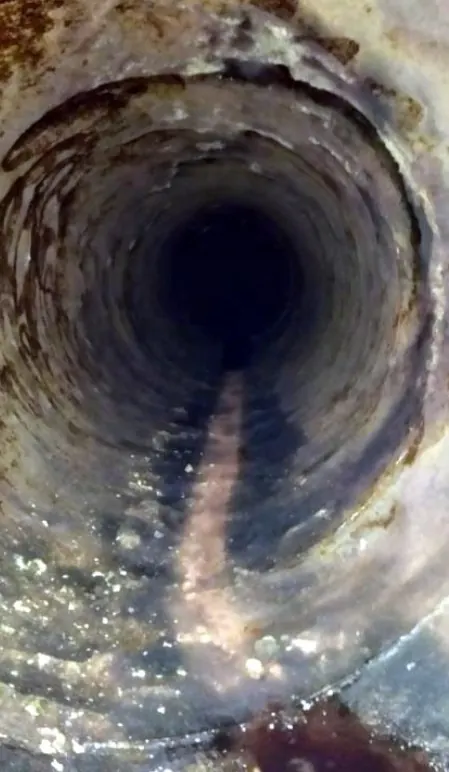
- Pipelines and sewer lines
- Plate heat exchangers, evaporators
- Cement tanks and kilns
- Heater system surfaces
- LPG tanks
- Boilers and furnaces
- Concrete and mill-scale surfaces
- Bituminous surfaces
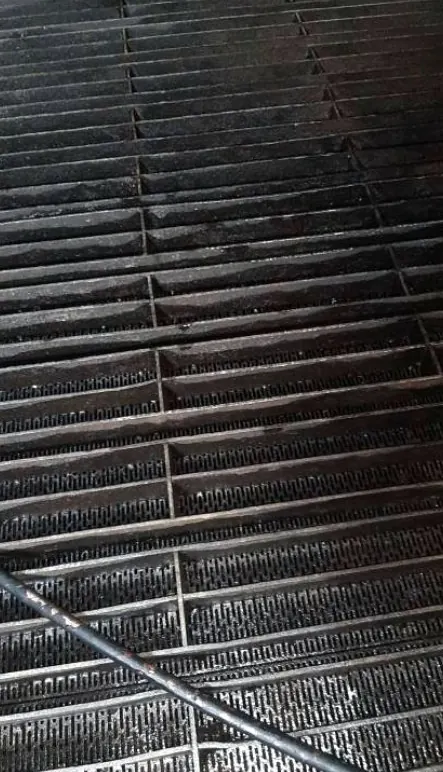
- Grates
- Ships and cargo holds
- Foundry and ceramics
- Filtration lines
- Polystyrene cleaning
- Surface paint removal
- Air ducts
Which plants is it for?
The service is aimed at plants whose production runs through pipelines, tanks, heat exchangers, boilers or furnaces: plants with cement tanks and kilns, storage sites operating LPG tanks, foundries and ceramics producers, ship and cargo hold cleaning, and factories with filtration and air duct systems.
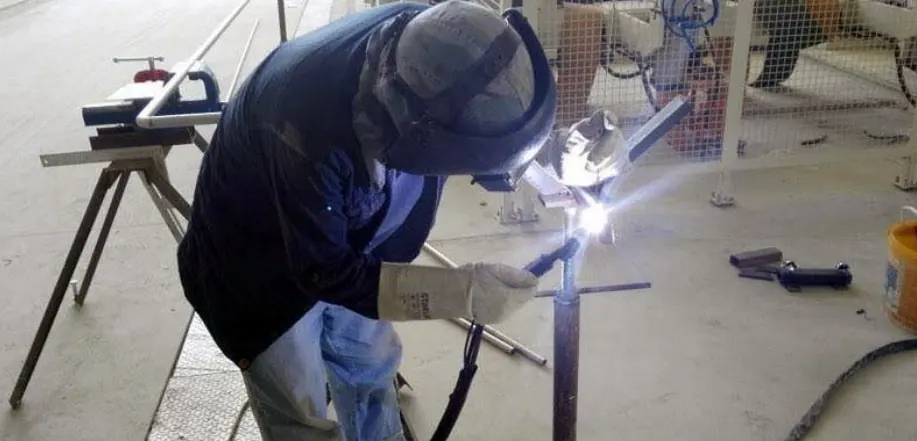
We work mostly during planned shutdowns and maintenance periods. We prepare the work schedule around your shutdown calendar and enlarge the crew where needed to shorten the duration. If blasting, welded repair or pipe fabrication is required after cleaning, we can continue with the same crew.
Process and safety
High-pressure water is a serious safety hazard. MYK-certified personnel work on all our jobs, including water jetting.
- Survey: We inspect the equipment, the type of contamination, access and waste water conditions on site and identify safety risks at the outset.
- Quotation: We submit a written quotation that clearly states scope, duration and cost.
- Planning: We prepare the work schedule, crew and machines around your production or shutdown calendar.
- Execution: We cordon off and mark the work area and carry out the job in line with health, safety and environmental legislation.
- Handover: We leave the site clean and hand the job over on time and complete.
Water jetting and the environment
Water jetting removes contamination by the mechanical action of water rather than chemical solvents, which reduces the need for chemicals in cleaning. We select pressure and nozzle to suit the surface so that no more water is used than necessary.
What we need for a quotation
- The equipment or surface to be cleaned (pipe diameter and length, tank volume, exchanger type)
- Type of contamination (scale, bitumen, mill scale, paint, process residue)
- Location and access conditions
- Photographs or drawings
- Site conditions for collecting and discharging waste water
- Quantity, target date and any planned shutdown window
Frequently asked questions
What pressures do you work at?
We have water jetting machines of different capacities from 500 to 3,000 bar. Working pressure is not fixed; it is set according to the surface material and the type of contamination.
When is the water jetting robot used?
In areas that are difficult or hazardous for personnel to enter. We decide on robot use during the survey, based on site conditions.
Does water jetting damage the surface?
When pressure and nozzle are selected for the surface, the method targets only the contamination and coating. Where necessary we start with a trial on a small area.
Does the plant have to stop during cleaning?
That depends on the equipment being cleaned. We schedule the work around your production calendar, usually to coincide with planned shutdowns.
Do you clean heat exchangers and boilers?
Yes. Plate heat exchangers, evaporators, heater system surfaces, boilers and furnaces are among our applications.
Are your personnel certified?
MYK-certified personnel work on all our jobs, including water jetting, with protective equipment CE-marked up to 3,000 bar.